Canada Introduces AI Border Screening for Travellers in 2025

AI Technology at Canada’s Borders

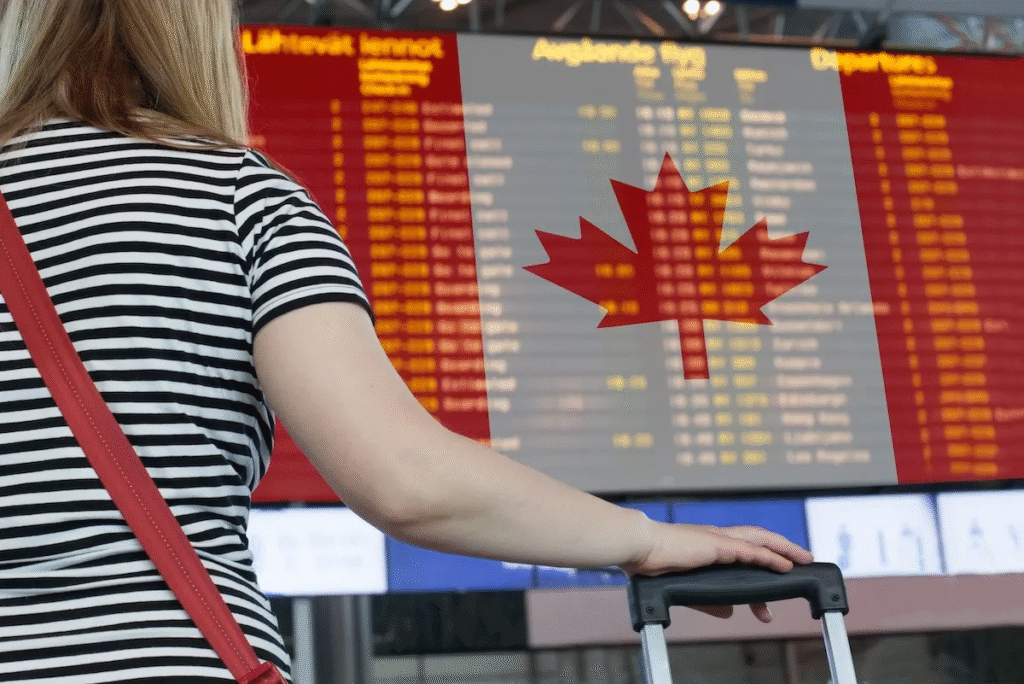
Travellers entering Canada in 2025 may now face AI-powered border screening at select land ports of entry (POEs).

The Canada Border Services Agency (CBSA) has introduced a new tool called the Travel Compliance Indicator (TCI) to support officers in screening individuals crossing into Canada.

Currently, the TCI is being tested at six undisclosed land border crossings.

This tool assigns each traveller a “compliance score,” helping officers determine whether a person—or the goods they bring—should be sent for secondary inspection.

The CBSA aims to expand the TCI to all land POEs by late 2027, with plans to implement it at airports and seaports shortly after.

The ultimate goal: improve efficiency, reduce wait times, and strengthen border security in Canada.

Click Here To Learn More About Open Work Permit for Spouses of International Students

Impact on Newcomers and Travellers

According to the CBSA, the TCI is intended to enhance the traveller experience by reducing border delays and minimising unnecessary checks caused by false positives (when someone is wrongly flagged despite complying with entry rules).

False referrals can significantly slow down processing and put extra pressure on CBSA resources.

By using predictive analytics built on five years of historical data, the TCI helps border officers identify low-risk travellers quickly, letting them pass through with fewer delays.

However, CBSA has admitted that AI errors are possible. An inaccurate recommendation could lead to longer-term issues for certain travellers.

Despite this, the agency insists that the system is only an advisory tool, and final decisions will always be made by human officers.

CBSA also highlighted that AI screening provides operational benefits that can’t be matched by simply hiring more border officers.

How Canada’s AI Screening System Works

The Travel Compliance Indicator (TCI) uses artificial intelligence and predictive modelling to generate a traveller’s compliance score.

Here’s how it works:

  • Travel history from CBSA records
  • Mode of transportation (car, plane, or ship)
  • Whether travelling alone or with companions
  • The type of identification presented
  • Vehicle details, such as license plate numbers

The system compiles this data in real time and compares it against established compliance patterns to predict whether a traveller will likely follow Canada’s entry regulations.

The TCI does not make the final decision—it only flags patterns that may warrant closer inspection. Officers then decide whether to send the traveller for secondary screening.

Canada’s Border Modernisation Plan

The AI-based TCI system has been active at six pilot land POEs since 2023.

  • Investment: Over $15 million
  • Annual maintenance: Estimated at $700,000

This initiative is part of the CBSA’s border modernisation strategy, designed to:

  • Strengthen national security
  • Manage rising traveller volumes
  • Reduce border wait times
  • Improve efficiency without hiring large numbers of new staff

Final Thoughts

The introduction of the Travel Compliance Indicator (TCI) marks a major shift in how Canada manages border security.

By combining AI technology with human decision-making, the CBSA hopes to create a faster, more secure, and efficient entry process for travellers, students, and newcomers to Canada.

For anyone planning to visit or immigrate to Canada in 2025 and beyond, it’s important to be aware of these changes and understand how AI screening at the border may affect your entry.

Open Work Permit for Spouses of International Students in Canada (2025 Guide)

Can Spouses of International Students Work in Canada?

Yes ✅. If you are the spouse or common-law partner of an international student in Canada, you may qualify for an Open Work Permit (OWP).

An open work permit allows you to work for any employer in Canada without needing a job offer first. The permit’s validity usually matches the length of your partner’s study permit.

Who is Eligible for a Spousal Open Work Permit in Canada?

You can apply for an OWP if your spouse or partner is studying full-time in one of these programs:

  • Doctoral program
  • Master’s program lasting 16 months or longer
  • Certain professional degree programs, such as:
    • Doctor of Dental Surgery (DDS, DMD)
    • Law (LLB, JD, BCL)
    • Doctor of Medicine (MD)
    • Doctor of Optometry (OD)
    • Pharmacy (PharmD, BS, BSc, BPharm)
    • Doctor of Veterinary Medicine (DVM)
    • Nursing (BScN, BSN, BNSc, BN)
    • Bachelor of Education (BEd)
    • Bachelor of Engineering (BEng, BE, BASc)

👉 Applicants must also be medically and criminally admissible to Canada.

📌 Note: A spousal open work permit cannot be valid beyond the student’s study permit, and it cannot be extended if the student is in their final semester.

Who Qualifies as a Spouse or Common-Law Partner?

  • Spouse: You are legally married, regardless of the country where the marriage took place.
  • Common-law partner: You’ve lived together in a conjugal relationship for at least 12 consecutive months, with minimal time apart.

Additional Eligible Programs for Spousal Open Work Permits

In 2025, new pilot and bridging programs will allow spouses of certain international students to qualify for OWPs.

Program NameProvince/TerritoryEligibility Date
Francophone Minority Communities Student Pilot (FMCSP)Outside QuebecAug 26, 2024
International Nurses Credential RecognitionQuebecApr 30, 2024
Internationally Trained Respiratory TherapistsQuebecJan 21, 2025
Medical Laboratory Technologists (Internationally Trained)QuebecJan 21, 2025
Supervised Practice Experience PartnershipOntarioJan 21, 2025
Nurse Re-Entry (Red River College)ManitobaJan 21, 2025
Internationally Educated Midwives Bridging Program (UBC)British ColumbiaJan 21, 2025
Canadian Pharmacy Practice Program (UBC)British ColumbiaJan 21, 2025
Nursing Practice in Canada (Langara College)British ColumbiaJan 21, 2025

Click Here To Learn More About The Step-by-Step Guide To Applying For A Student’s Visa

How to Apply for a Spousal Open Work Permit in Canada

To apply, follow these steps:

  1. Read IRCC’s official instruction guide before starting.
  2. Use IRCC’s tool to create a personalized document checklist.
  3. Create an account on the IRCC portal or log in to an existing one.
  4. Pay the required application fees online.
  5. Apply with the required documents, including:
    • Proof of enrollment (letter from DLI or transcripts).
    • A valid copy of your partner’s study permit.

Extending a Spousal Open Work Permit

You may apply for an extension if:

  • Your spouse has a valid study permit.
  • The student is physically present in Canada.
  • They are enrolled full-time in a Postgraduate Work Permit-Eligible program at a Designated Learning Institution (DLI).
  • They are not in their final semester.

FAQs About Spousal Open Work Permits in Canada

1. Can I work full-time on a spousal open work permit?
Yes. With an OWP, you can work full-time for almost any employer in Canada.

2. How long does it take to process a spousal open work permit?
Processing times vary, typically ranging from 2 to 4 months, depending on the application volume.

3. Can I extend my open work permit if my spouse continues studying?
Yes, as long as your spouse meets the conditions (valid study permit, full-time enrollment, not in the final semester).

4. Do I need a job offer to apply?
No. An OWP does not require a job offer.

Final Thoughts

The spousal open work permit offers a great opportunity for partners of international students to live, work, and build careers in Canada. By ensuring you meet the eligibility criteria and submit the correct documentation, you can increase your chances of approval.

If you’re planning to study in Canada or accompany your spouse, knowing your work permit options will help you make the most of your Canadian experience.

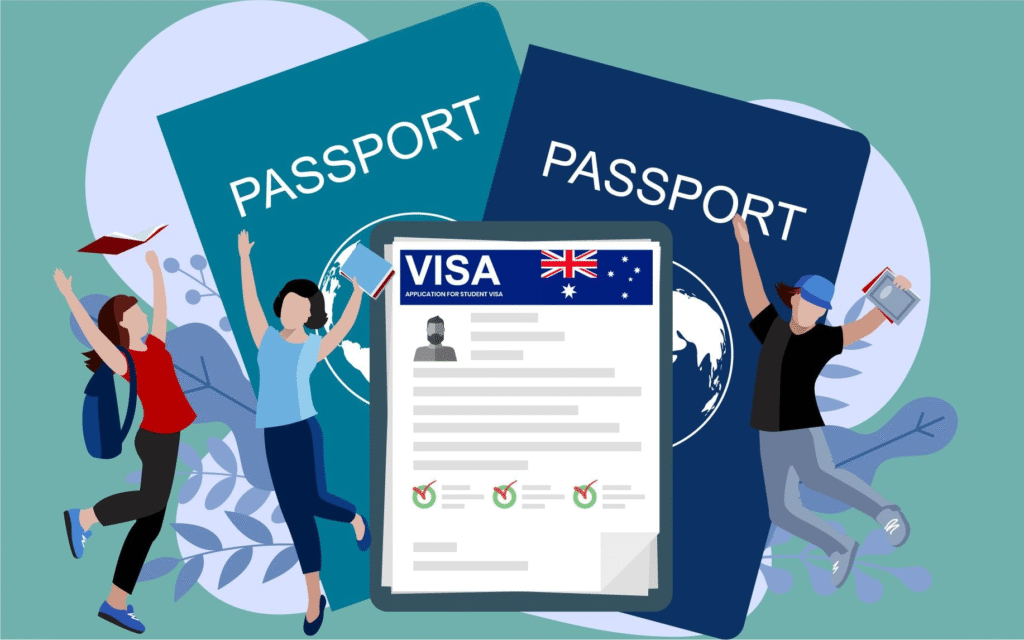
Step-by-Step Guide to Applying for an International Student Visa

Studying abroad is an exciting journey—but before you can pack your bags, one crucial step stands in your way: getting a student visa. The process may seem overwhelming, but with the right guidance, you can navigate it smoothly and boost your chances of approval.

This step-by-step guide to applying for a student visa will walk you through everything you need to know, from choosing the right school to preparing for your visa interview.

What is a Student Visa?

A student visa is an official document that allows international students to live and study in a foreign country for a specific period. Each country has its own rules and requirements, but the process generally follows similar steps.

Popular student visa categories include:

  • F-1 Visa (USA) – For academic studies and language programs.
  • Tier 4 (Student) Visa (UK) – For full-time courses in recognized institutions.
  • Study Permit (Canada) – For post-secondary education programs.
  • Student Visa Subclass 500 (Australia) – For full-time study at registered institutions.

Step 1: Get Accepted into a Recognized Institution

Before applying for a student visa, you must first apply and receive an acceptance letter from a designated learning institution (DLI) or government-approved school.

🔑 Tip: Visa officers will not consider your application without an official acceptance letter.

Step 2: Gather Required Documents

Each country requires specific documents, but the most common include:

  • A valid passport (must not expire during your study period)
  • Acceptance letter from your school or university
  • Proof of sufficient funds (bank statements, scholarships, or sponsor letters)
  • Recent passport-sized photographs
  • Completed visa application form
  • Receipt of visa fee payment
  • Proof of English proficiency (IELTS, TOEFL, or equivalent, if required)

Some countries may also require medical exams, biometrics, or police clearance certificates.

Step 3: Pay the Student Visa Application Fee

Most student visas come with an application fee. Costs vary by country—for example:

  • USA (F-1 Visa): Around $185 + SEVIS fee ($350)
  • UK (Tier 4 Visa): £490 + healthcare surcharge
  • Canada Study Permit: CAD $150
  • Australia Student Visa Subclass 500: AUD $710

Always keep your receipt of payment, as you’ll need it for your application.

Click Here To Learn More About Canada PR Pathway for Education Students

Step 4: Complete the Online Application

Most student visa applications are submitted online through the official immigration website of your chosen country.

When completing your application:

  • Double-check all details for accuracy.
  • Upload scanned copies of the required documents.
  • Save your application ID for tracking purposes.

Step 5: Book and Attend Your Visa Interview (if required)

Some countries, like the United States, require a student visa interview at the embassy or consulate.

During the interview, expect questions about:

  • Why did you choose the country and institution?
  • Your study program and career goals.
  • How will you finance your education?
  • Your plans after graduation.

Pro Tip: Answer confidently and honestly. Visa officers want to see that you are a genuine student with clear intentions.

Step 6: Wait for Processing and Decision

Visa processing times vary depending on the country and time of year. For example:

  • USA: A few weeks after the interview.
  • Canada: Typically 4–12 weeks.
  • UK: Around 3 weeks after applying.
  • Australia: 1–3 months.

Track your application online using the reference number provided.

Step 7: Receive Your Student Visa and Prepare for Travel

Once approved, you’ll receive your student visa stamp or electronic authorization. Carefully check the details, including:

  • Visa start and expiry date
  • Allowed duration of stay
  • Any work restrictions

Now you can book your flight, arrange accommodation, and prepare for your study abroad adventure! 🎓✈️

Common Reasons for Student Visa Rejection

To avoid disappointment, be aware of common mistakes:

  • Incomplete or incorrect application forms
  • Lack of financial proof
  • Poor performance in visa interview
  • Weak ties to your home country (suggesting you may overstay)

Final Thoughts

Applying for a student visa may feel daunting, but breaking it down step by step makes the process manageable. By preparing your documents, staying organized, and presenting yourself confidently, you’ll increase your chances of success.

Remember: start early, stay informed, and follow the official guidelines of your chosen country. Your study abroad dream is just one visa away!Studying abroad is an exciting journey—but before you can pack your bags, one crucial step stands in your way: getting a student visa. The process may seem overwhelming, but with the right guidance, you can navigate it smoothly and boost your chances of approval.

This step-by-step guide to applying for a student visa will walk you through everything you need to know, from choosing the right school to preparing for your visa interview.

Trump’s New Immigration Policy: $100K Fee for H-1B Visas

In a major immigration policy shift, President Donald Trump has announced a $100,000 application fee for H-1B visas, sparking debate across industries and political circles. The move, introduced through an executive order on Friday, is being positioned as a way to reduce overuse of the H-1B visa program while encouraging companies to prioritize American workers.

“We need exceptional workers, and this helps ensure that outcome,” Trump said from the Oval Office, where officials explained the details of the measure. The policy requires companies to pay the hefty fee before being allowed to bring skilled foreign workers into the U.S.

H-1B Visa News 2025: What’s Changing?

The H-1B visa, a highly sought-after U.S. work visa, enables foreign professionals to reside and work in the United States for up to three years, with the option to extend their stay for an additional three years. Traditionally, this program has been critical for industries such as technology, engineering, and healthcare, where specialized skills are often in short supply.

Economists argue that H-1B workers enhance U.S. competitiveness, drive innovation, and contribute to the creation of jobs for American citizens. However, Trump’s latest action adds a significant financial barrier.

Commerce Secretary Howard Lutnick revealed that the administration is still finalizing whether to require $300,000 upfront or collect the $100,000 fee annually for three years, plus vetting costs.

Click Here to Learn More About Working and Studying in Canada

Trump’s Immigration Policy: A Shifting Stance

Trump’s approach to the H-1B visa program has fluctuated over the years. During his first term, he imposed several restrictions on foreign worker visas, sparking criticism from tech companies and universities that depend on global talent.

Yet, in the 2024 campaign, he signaled openness to legal pathways for foreign graduates of U.S. universities. In a December interview with the New York Post, Trump described himself as “a believer in H-1B,” claiming the visas are necessary to attract the best talent.

This stance has created tension among his supporters, with immigration hardliners opposing the program while business leaders like Elon Musk and Vivek Ramaswamy defend it as vital for U.S. growth.

Currently, the U.S. issues 65,000 H-1B visas annually, with an additional 20,000 set aside for advanced-degree holders. High demand typically forces the program into a lottery system.

The Gold Card Visa USA: A New Pathway for Wealthy Immigrants

Alongside the H-1B fee hike, Trump introduced a controversial new initiative: the “Gold Card Visa USA” program. This fast-track immigration pathway allows individuals to obtain expedited U.S. visas by paying $1 million, while companies can pay $2 million to speed up the process for their foreign employees.

Commerce Secretary Lutnick, who spearheaded the initiative, argued that the current green card system admits too many low-skilled workers. The gold card visa aims to reverse that trend by targeting “extraordinary people at the very top,” as Lutnick put it.

This policy could reshape how the U.S. attracts foreign talent, focusing on entrepreneurs, investors, and high-income earners instead of entry-level workers.

Impact on U.S. Businesses and Foreign Workers

The introduction of a $100K H-1B visa fee and the gold card pathway could have far-reaching effects on U.S. industries. Sectors like technology and finance, which rely heavily on international talent, may face new challenges in hiring skilled workers.

Critics argue that the policy could discourage diversity and innovation, while supporters say it protects American workers and prioritizes high-value immigrants.

Final Thought

Trump’s new immigration policy in 2025 marks one of the most dramatic changes to the U.S. visa system in recent years. By imposing a $100,000 fee on H-1B visas and launching the gold card visa USA, his administration is signaling a shift toward wealth-based and high-skill immigration.

For businesses, job seekers, and foreign professionals, these changes could significantly reshape the future of work and immigration in America.

As debates unfold, one thing is clear: the H-1B visa news 2025 will continue to dominate headlines — and its impact on U.S. industries, innovation, and the global workforce will be closely watched.

Working While Studying in Canada: The Complete Guide for International Students

For many international students, the opportunity to work while studying in Canada is not only a means to gain valuable experience but also to support their living expenses. The good news? In most cases, you can work on-campus or off-campus without applying for a separate work permit.

With the right conditions on your study permit, you may:

  • Work unlimited hours on campus, and
  • Work up to 24 hours per week off campus during the school year.

However, all work privileges must be authorized by Immigration, Refugees and Citizenship Canada (IRCC). The rules will be clearly stated in your study permit.

⚠️ Breaking these rules — such as working more than permitted hours — could cost you your student status, limit future immigration opportunities, and even result in removal from Canada.

To legally work, you also need a Social Insurance Number (SIN) — a nine-digit code required for jobs, taxes, and government benefits.

👉 Remember: you cannot start working until your classes officially begin.

What This Guide Covers

This step-by-step guide explains:

  • Eligibility requirements for on-campus, off-campus, and remote work,
  • How internships and co-op work permits fit in, and
  • When and why you can take authorized leave from your studies.

Types of Work Allowed for International Students

Before diving into the details of Canada’s study permit work rules, it’s important to understand the types of employment:

  • On-campus jobs: Work within your school grounds — like the library, cafeteria, or student union.
  • Off-campus jobs: Employment outside school, such as restaurants, shops, or self-employment (e.g., Uber delivery, tutoring, or freelance work).
  • Remote jobs: Employment with a foreign company that has no Canadian presence or clients.

Work Hours and Conditions

Here’s a quick overview of what international students can do:

Work typeHours allowed per weekKey conditions
On campusUnlimitedRestricted to your campus unless you qualify for exceptions.
Off campus24 hoursCan hold multiple jobs, but capped at 24 hours per week.
Off campus (scheduled breaks)UnlimitedBreaks must last at least 7 consecutive days; up to 180 days/year.
Remote work (foreign employer)UnlimitedNot counted toward the 24-hour weekly limit.

On-Campus Jobs for International Students

International students who meet IRCC’s requirements can take on-campus jobs in Canada without applying for a work permit.

Potential on-campus employers include:

  • Your school,
  • Faculty members,
  • Student organizations,
  • On-campus businesses,
  • Contractors offering services on school property, or
  • If you are running a business that is physically located on campus, consider yourself.

✅ There’s no limit to how many hours you can work on campus.

Eligibility to Work On Campus

You qualify if you:

  • Are enrolled full-time at a designated learning institution (DLI),
  • Hold a valid study permit with authorization to work, and
  • Attend a public college/university, certain private Quebec institutions, or a recognized private Canadian school that awards degrees.

👉 Part-time students in their final semester are also eligible if all previous terms were full-time.

Restrictions

You must stop working on campus if:

  • You drop below full-time status (unless it’s your last term),
  • Your study permit expires,
  • You are on authorized leave, or
  • You switch schools and haven’t resumed studies.

Click Here To Learn More About Canada’s Brain Drain

Off-Campus Jobs for International Students

Working off campus is one of the biggest advantages for international students. You may work up to 24 hours per week during semesters and unlimited hours during breaks — without needing a work permit.

Eligibility for Off-Campus Work

You can work off campus if you:

  • Are enrolled full-time at a DLI,
  • Have already started your program,
  • Are in a program lasting at least 6 months that leads to a degree, diploma, or certificate, and
  • Study at the post-secondary level (or in certain Quebec vocational programs).

👉 In your final semester, you can work off-campus part-time if fewer courses are needed to complete your program.

Working During Scheduled Breaks

International students can work unlimited hours during scheduled breaks such as summer holidays, winter vacations, or reading weeks.

To qualify, you must:

  • Be a full-time student before and after the break, and
  • Ensure the break lasts at least 7 consecutive days and is scheduled by your school.

⚠️ Unlimited work is capped at 180 days per calendar year.

Who Cannot Work Off-Campus Without a Permit

You need a work permit if:

  • Your study permit prohibits off-campus work,
  • You’re only enrolled in ESL/FSL courses,
  • You’re taking general interest or prerequisite courses.

If you later qualify (e.g., switching programs), you can request changes to your study permit.

Co-op and Internship Work Permits

Some programs require internships or co-op placements. In these cases, you’ll need a co-op work permit in Canada.

Requirements:

  • A valid study permit, and
  • A letter from your DLI confirming the placement is mandatory.

⚠️ Students in ESL/FSL or general interest programs are not eligible for co-op permits.

Remote Jobs for International Students in Canada

Can international students work remotely in Canada? Yes, as long as the employer is outside Canada.

Conditions include:

  • No Canadian operations or clients,
  • No Canadian-based payment.

👉 Remote work does not count toward the 24-hour off-campus limit, making it an attractive option for students looking for extra income.

Authorized Leave from Studies

International students may take an authorized leave of up to 150 days while keeping their student status. However, you cannot work during this period.

Valid reasons include:

  • School closures or strikes,
  • Deferring program start dates,
  • Family or health emergencies, or
  • Switching institutions.

IRCC does not require you to notify them if you are on authorized leave, but your DLI must approve it.

Final Thoughts

Understanding the rules on how international students can work in Canada without a work permit is crucial. Balancing work and studies not only helps with finances but also provides valuable Canadian experience that can benefit your future career.

By following IRCC’s guidelines — whether through on-campus jobs, off-campus employment, internships, or remote work — you can make the most of your time in Canada while staying compliant with your study permit.

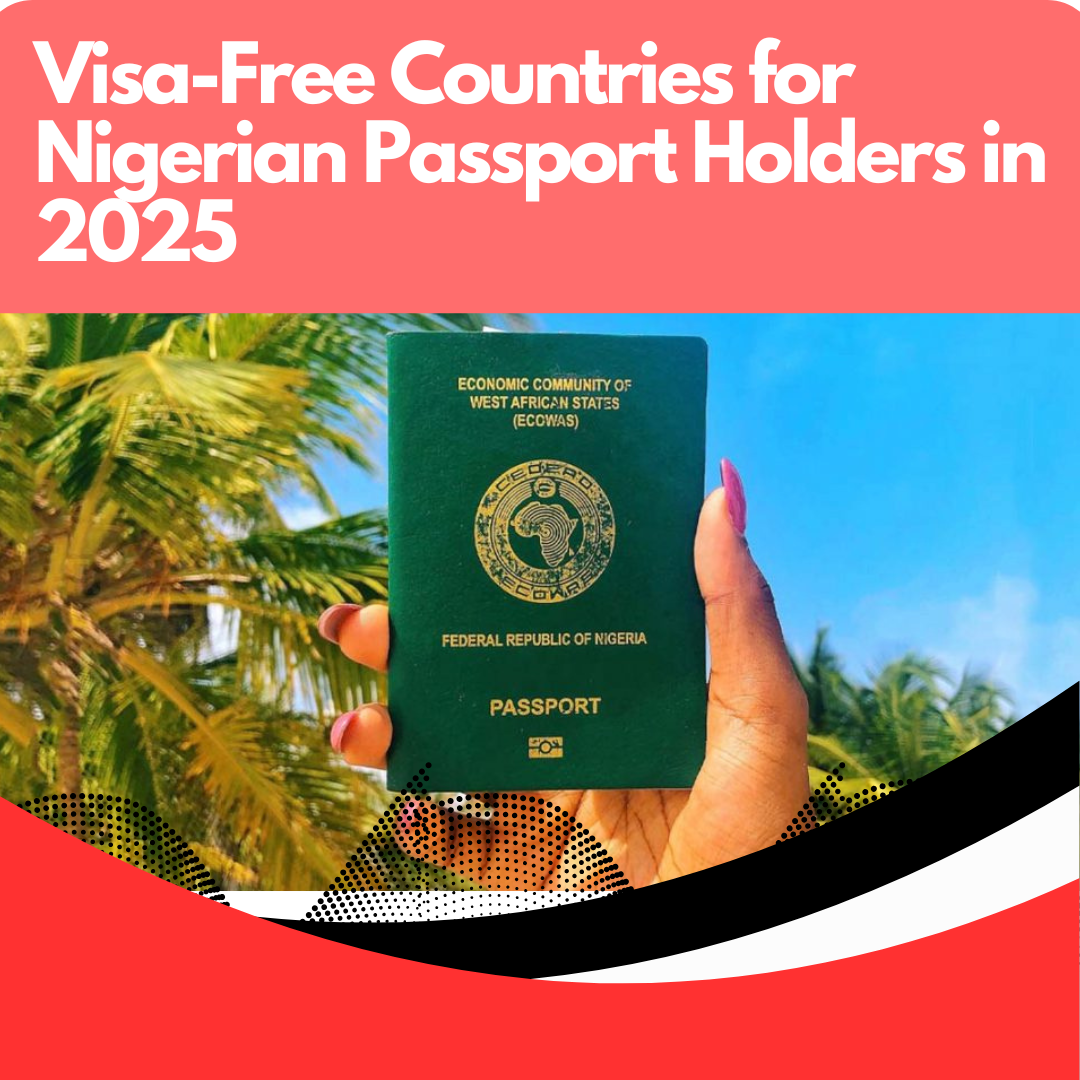
Visa-Free Countries for Nigerian Passport Holders in 2025

Are you a Nigerian citizen planning to travel abroad in 2025? ✈️ One of the biggest perks of holding a Nigerian passport is that you can visit several destinations without needing a visa in advance. With the right knowledge, you can explore exciting travel opportunities for tourism, business, or family visits — stress-free.

In this guide, we’ll cover the visa-free countries for Nigerian passport holders in 2025, visa-on-arrival options, and eVisa destinations to help you plan your next trip.

Why Travel Visa-Free as a Nigerian Passport Holder?

Traveling visa-free means:

  • No embassy queues or stressful visa interviews.
  • Lower travel costs since you don’t need to pay visa fees.
  • Faster travel plans — perfect for last-minute trips.
  • Easier exploration of Africa, the Caribbean, and parts of Asia.

For Nigerian passport holders in 2025, over 40 destinations are accessible either visa-free, with a visa on arrival, or via eVisa.

Click Here To Learn More About Canada PR Pathway for Education Students

List of Visa-Free Countries for Nigerian Passport Holders in 2025

Here are the top visa-free countries for Nigerians in 2025:

🌍 Africa (Visa-Free for Nigerians)

  1. Benin Republic – up to 90 days
  2. Ghana – up to 90 days
  3. Senegal – up to 90 days
  4. Sierra Leone – up to 90 days
  5. Togo – up to 90 days
  6. Gambia – up to 90 days
  7. Liberia – up to 90 days
  8. Mali – up to 90 days
  9. Niger Republic – up to 90 days
  10. Guinea – up to 90 days

Most West African countries are part of the ECOWAS treaty, which allows Nigerians to travel freely within the region without a visa.

🌴 Caribbean (Visa-Free for Nigerians)

  1. Barbados – up to 6 months
  2. Dominica – up to 21 days
  3. Haiti – up to 90 days
  4. Saint Kitts and Nevis – up to 90 days

🌏 Asia & Pacific (Visa-Free for Nigerians)

  1. Fiji – up to 4 months
  2. Micronesia – up to 30 days
  3. Vanuatu – up to 30 days

Visa on Arrival Countries for Nigerians in 2025

Apart from visa-free destinations, Nigerians can also travel to several countries that issue a visa on arrival (VOA) at the airport. This is convenient and saves time.

Popular Visa on Arrival Destinations:

  • Maldives – 30 days
  • Mauritius – 14 days
  • Seychelles – 3 months visitor’s permit
  • Madagascar – 90 days
  • Comoros – 45 days
  • Iran – 30 days
  • Cambodia – 30 days

eVisa Countries for Nigerian Passport Holders in 2025

Some destinations require an eVisa, which you can easily apply for online before traveling.

Common eVisa Countries for Nigerians:

  • Kenya
  • Ethiopia
  • Turkey
  • United Arab Emirates (UAE)
  • Sri Lanka
  • Zambia
  • Zimbabwe

Applying for an eVisa is fast, affordable, and saves you the hassle of embassy visits.

Click Here To Learn More Travel Tips For Travelling Abroad For The First Time

Tips for Nigerian Travelers in 2025

✅ Always check the latest entry requirements before traveling — rules can change suddenly.
✅ Ensure your passport is valid for at least 6 months before your trip.
✅ Carry proof of return ticket and sufficient funds for your stay.
✅ For ECOWAS countries, carry a National ID or ECOWAS passport for easy border crossings.
✅ For visa-on-arrival countries, bring passport photos and cash (USD or local currency) for visa fees.

Final Thoughts

Travel opportunities for Nigerian passport holders in 2025 continue to expand, with dozens of countries accessible visa-free, on arrival, or with a simple eVisa. Whether you’re planning a quick getaway to Ghana, a vacation in the Maldives, or a Caribbean escape to Barbados, your Nigerian passport unlocks exciting adventures.

🌍 ✈️ The world is waiting — and with these visa-free travel options, it’s easier than ever to explore.

Canada’s Brain Drain: Record Numbers of Skilled Immigrants Emigrate as Refugee Retention Holds Strong

Introduction: A Shift in the Canadian Dream

For decades, Canada has stood as a global beacon of opportunity, promising a better life for newcomers worldwide. However, that narrative is undergoing a dramatic shift. Recent statistics reveal an unprecedented wave of emigration, with over 851,000 people choosing to leave in 2024 alone—many of them the skilled immigrants Canada actively recruited.

This isn’t just a statistical blip; it’s a significant national trend with profound human and economic costs. As housing affordability plummets and job markets tighten, the dream is faltering for many. This article delves into the latest data, personal stories, and root causes behind Canada’s growing retention crisis.

Check out IRCC Processing Time

By the Numbers: Quantifying the Exodus

The data paints a clear and concerning picture. Voluntary departures have surged, dramatically outpacing new arrivals and stalling Canada’s population growth for the first time in years.

  • 2024: 851,440 total departures (106,134 emigrants + 745,306 non-permanent residents).
  • Q1 2025: An alarming 236,486 people left, a figure that represents 227% of immigration inflows for that period.
  • Net Effect: National population growth stalled at 0.0% in early 2025, its lowest rate since 1946.

This trend is primarily driven by the outflow of Non-Permanent Residents (international students and temporary workers), a direct result of recent federal caps designed to manage growth.

The Root Causes: Why People Are Choosing to Leave

Several powerful factors are converging to push newcomers out:

  1. The Housing Affordability Crisis: Soaring rent and mortgage payments consume a disproportionate amount of income. In major cities like Toronto and Vancouver, the dream of home ownership is increasingly out of reach.
  2. High Cost of Living: Inflation in groceries, utilities, and other essentials is eroding the financial stability that newcomers seek.
  3. Challenging Job Markets: Despite shortages in some sectors, many skilled immigrants face underemployment, lengthy credential recognition processes, and a national youth unemployment rate of 13%.
  4. Policy Changes and Uncertainty: Recent reductions in immigration targets and changes to permit programs have created a climate of instability, leaving many without a clear path to permanent residency.

https://www.canada.ca/en/services/immigration-citizenship.html

Visit the Official IRCC Website

A Tale of Two Experiences: Skilled Immigrants vs. Refugees

The data reveals a crucial distinction in retention rates:

  • Skilled Economic Immigrants: Show the highest propensity to leave, often within 3-7 years of arrival. Lured by better opportunities and higher salaries in the U.S. and elsewhere, this “brain drain” represents a significant loss of talent and integration investment.
  • Refugees and Family-Sponsored Immigrants: Demonstrate much stronger retention rates, with as low as an 8.6% departure rate over 25 years. Their deeper community ties and different circumstances foster greater long-term stability.

Regional Impact: Where the Exodus Hits Hardest

The departure wave is not felt equally across the country:

  • Ontario & British Columbia: Bear the brunt of the outflows, with nearly 1.4 million combined departures since 2022. High costs of living are the primary driver.
  • Atlantic Canada: Despite targeted provincial nominee programs, regions like Nova Scotia project a 30% loss of newcomers from their programs by 2050, struggling with rural isolation and fewer job opportunities.
  • Alberta & Saskatchewan: Are experiencing better retention, leveraging relative affordability and strong energy job markets to attract and keep people.

Economic and Social Consequences

The implications of this trend are severe:

  • Economic Drain: Billions of dollars invested in settling and integrating newcomers are lost when they leave.
  • Sectoral Shortages: Critical sectors like tech and healthcare lose vital talent to other countries.
  • Social Fabric: Communities lose vibrancy and diversity, and the nation’s self-image as a welcoming destination is tarnished.

The Path Forward: Can Canada Stem the Tide?

The federal government’s new 2025-2027 Immigration Plan aims to stabilize the situation by reducing targets and managing non-permanent resident levels. However, experts argue that more is needed. Solutions must address the core issues:

  • Accelerated Credential Recognition: Streamlining processes to get skilled immigrants into their fields faster.
  • Housing Market Interventions: Policies directly aimed at increasing affordable housing supply.
  • Strengthened Settlement Services: Enhanced support for newcomers in their first years to improve integration and satisfaction.

Conclusion: Rebuilding the Canadian Promise

Canada stands at a crossroads. The exodus of skilled immigrants is a clear signal that the current system is under immense strain. While policy adjustments are a start, rebuilding the Canadian dream requires a concerted national effort to address affordability, employment, and integration. The choice is clear: tackle these foundational challenges or risk losing the very talent that fuels the country’s growth and prosperity.

How Have IRCC’s Processing Times Changed Since Mid-July 2025?

Since July, IRCC processing times for 2025 have shifted across many immigration categories, with some seeing faster decisions and others facing longer waits.

In this article, we’ll break down the current Canada immigration processing times for:

  • Permanent residence (PR) applications
  • Work permits
  • Study permits
  • Visitor visas
  • Citizenship applications

Comparisons are based on IRCC’s published figures from July 17, 2025.

Permanent Residence Applications

Express Entry

Changes to Express Entry wait times have been minimal, with only slight increases in some programs.

Application TypeCurrent Processing TimeProcessing Time as of July 17, 2025
Canadian Experience Class5 months5 months
Federal Skilled Worker Program7 months6 months
Federal Skilled Trades ProgramN/A*N/A*

*Processing times for the Federal Skilled Trades Program remain unavailable due to insufficient data.

IRCC service standard: 180 days

Express Entry remains Canada’s leading pathway for skilled immigrants seeking updates on Canada PR processing times.

IRCC invites more PNP candidates in the latest Express Entry draw. Read More

Provincial Nominee Program (PNP)

Application TypeCurrent Processing TimeProcessing Time as of July 17, 2025
Through Express Entry (enhanced)8 months8 months
Not through Express Entry (base)20 months19 months

Enhanced PNP times remain steady, while base PNP applications now take an extra month.

Service standards:

  • 11 months for base applications (online)
  • 180 days for enhanced (electronic)

Atlantic Immigration Program (AIP)

The AIP timeline has lengthened slightly since July.

Current Processing TimeProcessing Time as of July 17, 2025
13 months12 months

AIP applicants may still obtain a special work permit to begin employment in Canada while their PR application is processed.

Family and Partner Sponsorship

Processing times for spousal sponsorship in Canada have grown longer, especially for those destined for Quebec.

Class & DestinationCurrent Processing TimeProcessing Time as of July 17, 2025
SCLPC – outside Quebec36 months34 months
Family Class – outside Quebec13 months11 months
SCLPC – in Quebec40 months38 months
Family Class – in Quebec41 months37 months

Most categories have an extra two-month delay, while Quebec Family Class sponsorship has increased by four months.

IRCC service standard: 12 months (Family Class overseas applications).

Temporary Residence Applications

Visitor Visas (TRV)

From Outside Canada

Visitor visa Canada processing time depends heavily on the applicant’s country.

CountryCurrent Processing TimeProcessing Time as of July 17, 2025
India58 days28 days
Pakistan48 days36 days
Nigeria32 days56 days
Philippines20 days33 days
United States23 days21 days

India now faces the largest increase, while Nigeria has seen faster approvals compared to July.

From Inside Canada

Current Processing TimeProcessing Time as of July 17, 2025
14 days18 days

Processing has sped up slightly for those applying within Canada.


Visitor Records

Current Processing TimeProcessing Time as of July 17, 2025
176 days193 days

A modest improvement, down by about two weeks.

Work Permits

Processing times for work permit applications in Canada vary by location.

Outside Canada

CountryCurrent Processing TimeProcessing Time as of July 17, 2025
India8 weeks7 weeks
Pakistan9 weeks5 weeks
Nigeria11 weeks12 weeks
Philippines6 weeks6 weeks
United States3 weeks4 weeks

Pakistan saw the biggest delay, while Nigeria and the U.S. experienced faster processing.

Inside Canada

Current Processing TimeProcessing Time as of July 17, 2025
188 days182 days

Timelines inside Canada are slightly longer than they were in July.

Study Permits

For international students, the study permit in Canada times remain variable.

Outside Canada

CountryCurrent Processing TimeProcessing Time as of July 17, 2025
India3 weeks3 weeks
Pakistan9 weeks11 weeks
Nigeria8 weeks5 weeks
Philippines7 weeks10 weeks
United States10 weeks7 weeks

Inside Canada

Current Processing TimeProcessing Time as of July 17, 2025
10 weeks12 weeks

Study Permit Extensions

Current Processing TimeProcessing Time as of July 17, 2025
164 days180 days

Both initial applications and extensions have shown some improvement compared to July.

Citizenship and Proof of Citizenship

Citizenship Grants

Current Processing TimeProcessing Time as of July 17, 2025
10 months10 months

Processing remains within IRCC’s 12-month service standard.

Proof of Citizenship Certificates

Current Processing TimeProcessing Time as of July 17, 2025
5 months5 months

Applicants outside Canada may experience delays of an additional 3–4 months.

The proof of a Canadian citizenship certificate remains essential for naturalized citizens and those claiming citizenship by descent.

Processing Times vs. Service Standards

It’s important to distinguish between processing times and IRCC service standards:

  • Processing times are estimates based on past cases and application volumes. They show how long it might take from submission to decision.
  • Service standards are IRCC’s internal targets. They aim to finalize 80% of applications within these timelines, though some cases take longer due to complexity

Beginner’s Guide: 10 Crucial Tips for Traveling Abroad for the First Time

Ease your pre-trip nerves with these 10 practical international travel tips for first-time explorers. With the right preparation, you’ll feel like a seasoned traveler on your very first overseas adventure!

Even if you’ve traveled extensively within your own country, your first journey abroad can feel both exciting and overwhelming. At Go Overseas, we’ve spent years on the road and still continue to pick up new insights along the way.

Venturing into unfamiliar territory may seem daunting, but it doesn’t have to be. Follow these straightforward tips to help your first international trip go smoothly.

1. Get Your Travel Documents in Order

The most important step to avoid unnecessary stress is making sure your passport and visa are ready well in advance. Without them, your travel plans could come to a halt.

Passport

It’s easy to forget that passports expire. Many countries won’t admit travelers with less than six months of validity left, and some visas require extra blank pages. Always check your passport before booking flights, as the renewal process can take time.

Visa

Check if your destination requires a visa. Arriving without one could mean being denied boarding. While U.S. and U.K. passport holders have easier access to many countries, rules differ everywhere—so research thoroughly.

2. Research Your Destination

Spontaneity can be fun, but a bit of research goes a long way. Laws, customs, and cultural differences vary widely around the world. For example, chewing gum is banned in Singapore, feeding pigeons is illegal in Venice, and riding a cow while drunk is prohibited in Scotland. Knowing these quirks in advance helps you avoid trouble.

Questions to look up:

  • Can you drink tap water?
  • What currency is used?
  • Are there dress codes linked to religion?
  • Do you need vaccines?
  • How tourist-friendly is the country?
  • What language is spoken, and how common is English?
  • Does the food meet your dietary needs?
  • How do traffic laws differ from home?

3. Sort Out Your Finances

Notify your bank before traveling so purchases abroad aren’t flagged as fraud. Some destinations have limited ATMs or rely heavily on cash, so keep enough local currency on hand. Many travelers carry extra funds in a money belt for added security.

4. Compare Transportation & Accommodation Options

Transportation

Use tools like Rome2Rio or 12Go to compare routes and prices. Buses, trains, and subways are usually cost-effective and eco-friendly, while rideshare apps like Uber, Grab, or Bolt are convenient alternatives.

Accommodation

Hotels are reliable, but hostels, guesthouses, and Airbnbs can be cheaper and more immersive. For longer stays, look for monthly discounts. Platforms like Hostelz.com compare multiple booking sites to find the best deals.

5. Book in Advance

Booking flights, accommodations, and even transport tickets early saves money and stress. Last-minute travelers often face high prices or limited availability. Having a planned itinerary also gives you peace of mind so you can focus on enjoying your trip.

6. Prevent Travel Fatigue

It’s tempting to cram as much as possible into your itinerary, but slow travel is often more rewarding.

Tips to avoid burnout:

  • Allow time to recover from jet lag.
  • Carry medication for motion sickness if needed.
  • Prioritize fewer destinations for deeper experiences.

7. Put Health & Safety First

Staying aware and cautious will help you enjoy your trip without unnecessary risks.

Safety reminders:

  • Protect valuables with crossbody bags or money belts.
  • Share your itinerary with loved ones. U.S. travelers can register with the Smart Traveler Enrollment Program (STEP).
  • Purchase travel insurance for emergencies, medical needs, or lost luggage.
  • Trust your instincts and use common sense, especially at night or when meeting new people.

Click Here To Learn About The Best Travel Destinations For 2025

8. Pack Smart

Packing efficiently makes your trip much smoother.

  • Use packing cubes for organization and space-saving.
  • Travel light—carry clothes for different weather, but avoid overpacking.
  • Secure your belongings with locks, safes, or carry-on storage for valuables.

9. Learn Airport Survival Tips

Airports can be overwhelming, but breaking the process down makes it manageable.

Pro tips:

  • Print necessary documents (visa, flight info, hotel details).
  • Know your departure terminal.
  • Check in online beforehand.
  • Download shows or podcasts to pass the time.
  • Weigh bags in advance to avoid extra fees.

10. Stay Connected

Traveling abroad doesn’t mean being cut off from loved ones.

  • Decide between international roaming or a local SIM card.
  • Check Wi-Fi availability at your destination.
  • Consider a VPN if social media or messaging apps are restricted.

Final Thoughts

Planning your first trip abroad might feel overwhelming, but preparation makes all the difference. By getting your documents ready, packing smart, securing travel insurance, and pacing your itinerary, you’ll not only avoid stress but also make unforgettable memories.

Travel slowly, stay safe, and enjoy every moment—your first international adventure is just the beginning of many more! 🌍✈️

IRCC invites more PNP candidates in the latest Express Entry draw.

Immigration, Refugees and Citizenship Canada (IRCC) have issued more invitations to apply (ITA) through the Express Entry system.

The immigration department issued 192 ITAs in a draw for candidates in Provincial Nominee Programs (PNPs)

To be considered in this draw, candidates needed to have:

  • A minimum Comprehensive Ranking System (CRS) score of 800; and
  • Created an Express Entry candidate profile before 7:17 p.m., Universal Coordinated Time (UTC) on 11 February 2025.

See how competitive your Express Entry profile is

Summary of Express Entry draws in 2025

DateDraw TypeNumber of ITAsCut-off CRS score
August 18Provincial Nominee Program192800
August 8French language proficiency2,500481
August 7Canadian Experience Class1,000534
August 6Provincial Nominee Program225739
July 22Healthcare and social services4,000475
July 21Provincial Nominee Program202788
July 8Canadian Experience Class3,000518
July 7Provincial Nominee Program356750
June 26Canadian Experience Class3,000521
June 23Provincial Nominee Program503742
June 12Canadian Experience Class3,000529
June 10Provincial Nominee Program125784
June 4Healthcare and social services500504
June 2Provincial Nominee Program277726
May 13Canadian Experience Class500547
May 12Provincial Nominee Program511706
May 2Healthcare and social services500510
May 1Education1,000479
April 28Provincial Nominee Program421727
April 14Provincial Nominee Program825764
March 21French language proficiency7,500379
March 17Provincial Nominee Program536736
March 6French language proficiency4,500410
March 3Provincial Nominee Program725667
February 19French language proficiency6,500428
February 17Provincial Nominee Program646750
February 5Canadian Experience Class4,000521
February 4Provincial Nominee Program455802
January 23Canadian Experience Class4,000527
January 8Canadian Experience Class1,350542
January 7Provincial Nominee Program471793

Today’s Express Entry draw is the fourth of the month—and features the second-highest CRS score of the year at 800 CRS points. The highest CRS score of 2025 was 802 in the first Provincial Nominee Program (PNP) draw of February.

This draw is the second PNP draw of the month and follows a French language proficiency draw on 8 August, a Canadian Experience Class (CEC) draw on 7 August, and a PNP draw on 6 August. This is the second week of Express Entry draws in August.

Thus far, IRCC has issued 53,320 ITAs through the Express Entry system in 2025.

Express Entry draws this year have primarily focused on PNP draws, with the remainder of Express Entry ITAs dedicated to CEC candidates, candidates with French-language proficiency, and those in the Express Entry priority occupation categories.

Draw TypeNumber of Draws
Provincial Nominee Program (PNP)15
Canadian Experience Class (CEC)8
French-language proficiency4
Healthcare and social services3
Education1

Reference-cicnews
Asheeh Moosapeta