How to Translate & Legalize Your Documents for International Use (2026 Complete Guide)

For healthcare professionals moving internationally, proper document translation and legalization is crucial. Incorrectly processed documents are a leading cause of visa, licensing, and employment application delays. This comprehensive 2025 guide covers everything you need to know about translating, certifying, and legalizing your healthcare documents for international use.
📋 Understanding the Document Journey
Your documents must go through a multi-step process to be accepted internationally:
Your Original Documents
        ↓
    Translation
        ↓
    Certification/Notarization
        ↓
    Authentication/Legalization
        ↓
    Apostille (if applicable)
        ↓
Internationally Accepted Documents
Part 1: Translation of Documents
Which Documents Need Translation?
ALL documents not in the official language(s) of your destination country:
- Diplomas and degrees
- Academic transcripts
- Professional licenses
- Birth/marriage certificates
- Police clearance certificates
- Employment reference letters
- Medical records
- Any supporting documentation
Who Can Translate Your Documents?
Option A: Certified Professional Translators (Recommended)
Characteristics:
- Certified by professional translation associations
- Provide stamped/signed certification
- Understand legal/medical terminology
- Accepted by most immigration authorities
How to Find Certified Translators:
- Country-Specific Associations:
- Government-Approved Lists:
- Many embassies maintain lists
- Immigration departments often have approved translators
- University Translation Services:
- Often offers certified translation
- Understand academic documents well
Option B: Translation Agencies
Advantages:
- Handle multiple languages
- Project management included
- Often faster for large volumes
- Quality assurance processes
What to Look For:
- Specialization in immigration/legal documents
- Certified translators on staff
- Member of professional associations
- Positive reviews from immigrants
- Clear pricing structure
Option C: Notary Public (in some countries)
When Acceptable:
- Some countries accept notarized translations
- Usually requires a translator’s affidavit
- Check destination country requirements
The Translation Process Step-by-Step
Step 1: Document Preparation
- Make high-quality color scans (300 DPI minimum)
- Ensure all text is legible
- Include all pages (even blank ones)
- Note any seals/stamps/signatures
Step 2: Choose Your Translator
- Get quotes from 2-3 certified translators
- Verify their certification is current
- Check turnaround times
- Confirm they handle your document type
Step 3: Provide Clear Instructions
- Specify destination country
- Indicate purpose (immigration, licensing, employment)
- Note any special terminology
- Provide context if helpful
Step 4: Review the Translation
- Check for accuracy
- Verify all dates, names, and numbers
- Ensure formatting matches original
- Confirm the certification statement is included
What a Proper Translation Certificate Includes
A proper translation certification should contain:
- Statement of Accuracy: “I certify this is a true and accurate translation.”
- Translator’s Credentials: Certification number, association membership
- Language Pair: “From [Language] to [Language]”
- Date of Translation
- Translator’s Signature
- Translator’s Stamp/Seal (if applicable)
- Contact Information of translator/agency
Translation Costs for 2025
| Document Type | Average Cost | Timeframe |
|---|---|---|
| Simple Certificate (Birth, Marriage) | $30-$60 | 1-3 days |
| Academic Diploma | $40-$80 | 2-5 days |
| Academic Transcript (per page) | $20-$40 | 3-7 days |
| Professional License | $50-$100 | 2-5 days |
| Employment Reference (per page) | $25-$50 | 2-4 days |
Factors Affecting Cost:
- Language pair (rare languages cost more)
- Urgency (rush fees typically 50-100% extra)
- Complexity (medical/legal terms may cost more)
- Certification requirements
Part 2: Certification & Notarization
What is Document Certification?
Certification confirms that a copy of a document is identical to the original.
Who Can Certify Documents?
1. Notary Public
Most widely accepted:
- Verifies the identity of the person signing
- Witnesses signatures
- Places official seal/stamp
- Maintains a record of notarization
How to Find a Notary:
- Banks (often free for customers)
- Law offices
- Shipping stores (UPS, FedEx)
- Mobile notary services
- Online notary services (increasingly accepted)
2. Commissioner of Oaths
Similar to a notary in some countries:
- Authorized to administer oaths
- Can certify true copies
- Often available at government offices
3. Legal Professionals
- Lawyers/attorneys
- Paralegals (in some jurisdictions)
- Judges/magistrates
4. Government Officials
- Embassy/consulate staff
- Municipal/city officials
- Certain government department staff
The Certification Process
For Copies of Original Documents:
- Present the original document to the certifier
- They make copies and compare
- They stamp/sign the certification statement
- They include their credentials and date
Certification Statement: Typically Includes:
- “I certify this is a true copy of the original.”
- Name and title of certifier
- Date of certification
- Official stamp/seal
- Registration number (if applicable)
Special Requirements by Country
Canada:
- Lawyer, notary, or commissioner of oaths
- Some provinces have specific requirements
- ICES/WES may accept uncertified translations from members
USA:
- Notary public most common
- Some states require a notary to witness a translator’s oath
- USCIS has specific requirements
UK:
- Solicitor or notary public
- Some documents require legalization instead
Australia:
- Justice of the Peace (JP)
- Lawyer or notary
- NAATI translator can certify their own translations
Cost of Certification 2025
| Service | Average Cost | Notes |
|---|---|---|
| Notary Public (per document) | $10-$25 | Often free at banks |
| Commissioner of Oaths | $0-$20 | Sometimes free at government offices |
| Lawyer Certification | $50-$100 | For complex documents |
| Embassy Certification | $20-$50 per document | Plus service fees |
Part 3: Authentication & Legalization
Understanding the Chain of Legalization
This process verifies that the signatures/stamps on your documents are genuine.
The Two Systems:
1. Apostille Countries (Hague Convention)
Simpler process for 120+ member countries:
Your Document
    ↓
Notarization/Certification
    ↓
Apostille from Competent Authority
    ↓
Accepted in all Hague Convention Countries
2. Non-Apostille Countries
More complex “chain authentication”:
Your Document
    ↓
Notarization
    ↓
Authentication by Home Country Authorities
    ↓
Legalization by Destination Country Embassy
    ↓
Accepted in Destination Country
Step-by-Step: Apostille Process
Step 1: Identify Competent Authority
- Varies by country/state/province
- Usually, the Secretary of State or the Foreign Ministry
- Some countries have regional authorities
Common Authorities:
- USA: Secretary of State (state level), then U.S. Department of State
- Canada: Global Affairs Canada or provincial authorities
- UK: Foreign, Commonwealth & Development Office (FCDO)
- Australia: Department of Foreign Affairs and Trade (DFAT)
Step 2: Prepare Documents
- Must be certified/notarized first
- Some authorities require a specific format
- Check if original or copy needed
Step 3: Submit Application
- Complete required forms
- Pay fees
- Include prepaid return envelope
- Consider a courier service for tracking
Step 4: Receive Apostille
- Certificate attached to the document
- Contains standardized information
- Valid in all Hague Convention countries
Step-by-Step: Non-Apostille Process
For documents going to non-Hague countries:
Step 1: Notarization
- Get documents notarized locally
Step 2: Home Country Authentication
- Authentication by the appropriate ministry
- Often, the Foreign Ministry or equivalent
- May require intermediate authentication first
Step 3: Destination Country Legalization
- Submit to the destination country’s embassy/consulate
- They verify the home country’s authentication
- Place their own stamp/seal
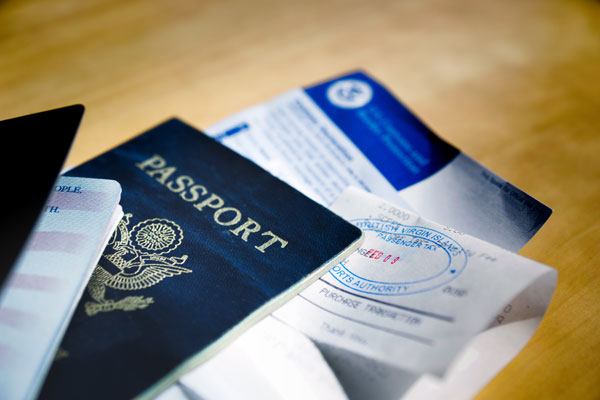
Country-Specific Requirements 2026
Canada-Bound Documents:
Your Country's Process →
Global Affairs Canada Authentication →
Canadian Embassy Legalization (if needed)
USA-Bound Documents:
State Certification →
U.S. Department of State Authentication →
Embassy Legalization (if needed)
UK-Bound Documents:
Local Certification →
FCDO Apostille/Authentication →
UK Embassy Legalization (if from non-Hague country)
Processing Times & Costs 2025
| Step | Average Time | Average Cost |
|---|---|---|
| Notarization | 1-2 days | $10-$25/doc |
| Authentication (Home Country) | 1-4 weeks | $20-$50/doc |
| Apostille | 1-3 weeks | $20-$80/doc |
| Embassy Legalization | 1-2 weeks | $30-$100/doc |
| Total | 3-8 weeks | $80-$255/doc |
Expedited Services: Typically double the cost for 50% faster service
Part 4: Special Considerations for Healthcare Professionals
Educational Documents
Medical/Nursing Degrees:
- Often require detailed course descriptions
- May need syllabus/curriculum information
- Clinical hours must be clearly documented
- Consider credential evaluation services (WES, ECFMG, etc.)
Academic Transcripts:
- Must show all courses and grades
- Should include a grading scale explanation
- Sealed envelopes are often required
- May need separate translation of course descriptions
Professional Licenses
Important Details to Include:
- License number
- Issue and expiration dates
- Any restrictions/conditions
- Registration with the regulatory body
- Certificate of Good Standing (often needed)
Employment Documents
Reference Letters Must Include:
- Dates of employment (specific to day)
- Hours per week
- Detailed duties and responsibilities
- Supervisor’s contact information
- Salary information (sometimes required)
Medical Records
For Immigration Medicals:
- Vaccination records
- Previous test results
- Specialist reports
- Must be translated by medical translation specialists
Part 5: Digital Document Preparation
Scanning Best Practices
- Resolution: 300 DPI minimum
- Format: PDF/A for archiving
- Color: Color scans for seals/stamps
- File Naming:
LastName_DocumentType_Date.pdf - File Size: Optimize to under 4MB per document
Digital Certification & E-Apostille
Growing acceptance in 2025:
- Some countries accept digital signatures
- E-apostille available in certain jurisdictions
- Digital notarization is becoming more common
- Always verify acceptance with the destination authority
Cloud Storage Organization
Healthcare_Immigration_2025
├── 01_Original_Documents
├── 02_Translations
├── 03_Certified_Copies
├── 04_Authenticated
├── 05_Final_Submission
└── 06_Backups
Part 6: Common Mistakes & How to Avoid Them
Mistake 1: Using Non-Certified Translators
Solution: Always use translators certified by recognized associations
Mistake 2: Incomplete Certification Chain
Solution: Follow the exact chain required by the destination country
Mistake 3: Expired Documents
Solution: Check validity requirements and time your applications
Mistake 4: Poor Quality Scans
Solution: Use professional scanning services or a high-quality scanner
Mistake 5: Missing Pages
Solution: Number pages and create a checklist for each document
Mistake 6: Incorrect Information
Solution: Double-check all names, dates, and numbers match across documents
Part 7: Timeline Planning for 2026
Recommended Timeline
Month 1-2: Planning
- Research destination country requirements
- Identify required documents
- Find certified translators
- Understand the authentication chain
Month 2-3: Translation
- Get documents translated
- Review translations carefully
- Obtain certification statements
Month 3-4: Certification
- Get copies certified/notarized
- Verify certification meets requirements
Month 4-5: Authentication/Legalization
- Submit for apostille/authentication
- Process through the embassy if needed
- Track all submissions
Month 5-6: Final Preparation
- Make copies of everything
- Create submission packets
- Prepare digital versions
- Verify all requirements met
Part 8: Cost-Saving Tips
- Bundle Documents: Some services offer volume discounts
- Government Services: Often cheaper than private services
- Avoid Rush Fees: Plan to avoid expedited charges
- Digital Submissions: Some countries accept digital, saving courier costs
- Group Authentication: Process multiple documents together
Part 9: Resources & Contacts 2026
Translation Associations
- International Federation of Translators (FIT)
- American Translators Association (ATA)
- National Accreditation Authority for Translators and Interpreters (NAATI)
Authentication Authorities
- USA: U.S. Department of State Office of Authentications
- Canada: Global Affairs Canada Authentication Services
- UK: Foreign, Commonwealth & Development Office
- Australia: Department of Foreign Affairs and Trade
Professional Services
- Document Preparation Services: Specialize in immigration documents
- Courier Services: DHL, FedEx for international document shipping
- Scanning Services: For high-volume document digitization
Part 10: Quality Checklist Before Submission
For Each Document:
- The original language document is clear and complete
- Translation is accurate and certified
- Certification/notarization present and valid
- Authentication/apostille attached if required
- All dates are consistent across documents
- Names spelled consistently
- Seals/stamps legible
- Pages numbered and in order
- Digital copy matches physical
- Meets destination country specifications
Emergency Situations: What If…
…documents are lost in transit?
- Always use tracked courier services
- Keep digital copies
- Some authorities can re-issue for a fee
…requirements change during the process?
- Check official websites regularly
- Contact authorities for clarification
- Consider professional immigration help
…documents are rejected?
- Request specific reasons
- Correct deficiencies
- Consider the appeal process if available
Final Pro Tips for 2026
- Start Early: This process always takes longer than expected
- Verify Twice: Requirements change frequently
- Professional Help: Consider hiring specialists for complex cases
- Keep Records: Document every step, payment, and communication
- Plan for Validity: Some documents expire (police certificates, medicals)
- Digital Backup: Scan everything at each stage
- Communicate Clearly: Be specific with translators and authorities
- Budget Appropriately: These costs add up quickly
Remember: For healthcare professionals, document accuracy is particularly critical. Licensing bodies and immigration authorities scrutinize healthcare credentials. Investing in proper translation and legalization protects your application and professional reputation.
Next Steps: Begin by identifying EXACT requirements for your destination country and profession. Contact their immigration department and professional regulatory body for current specifications. Then start gathering your documents and finding certified translators familiar with healthcare terminology.
